

 0
0
 0
0
Understanding the New Appeal of Modern Foldable Phones
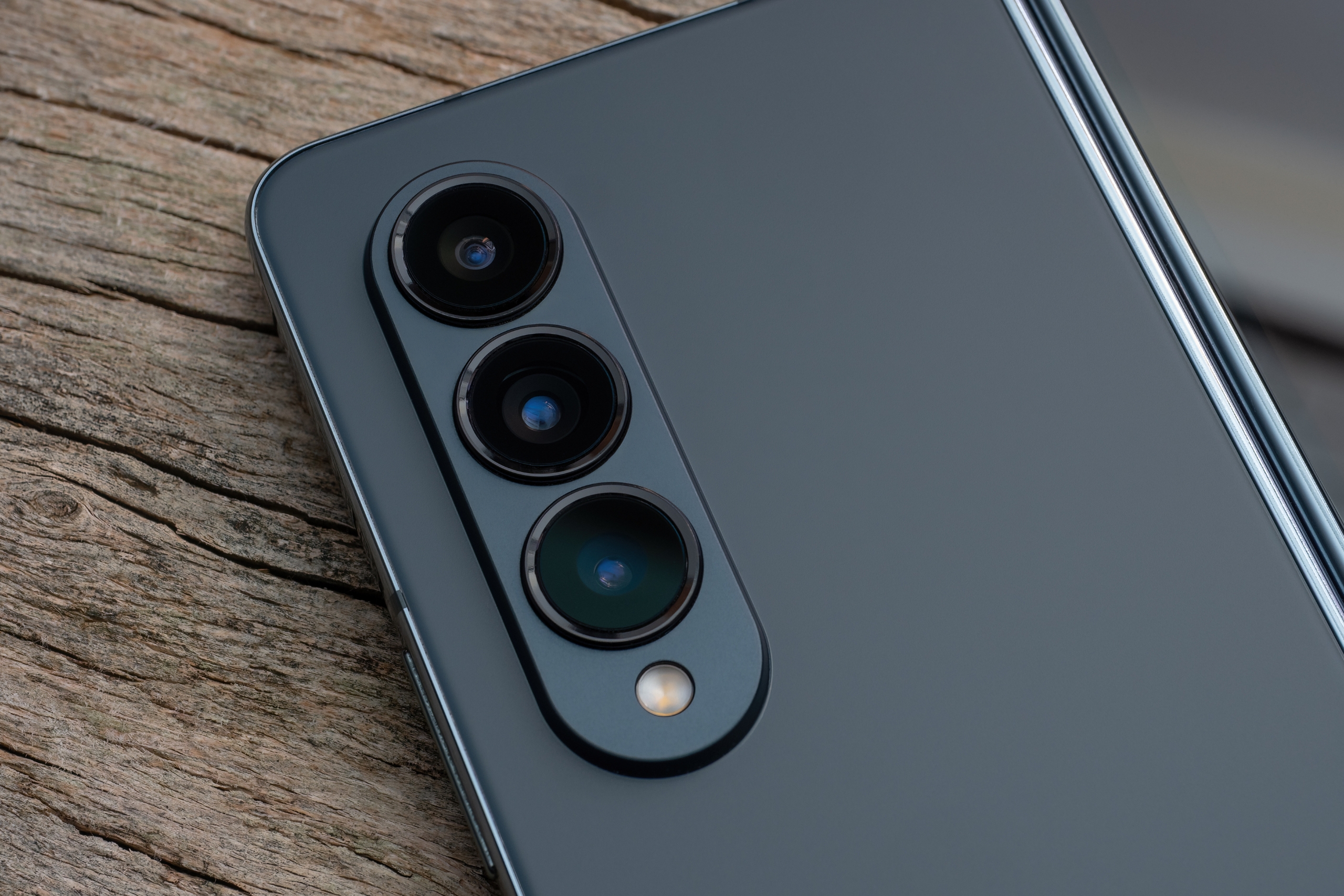
Foldable phones resurfaced in the tech market a few years ago with a mix of excitement and skepticism. Since then, manufacturers have refined their designs, strengthened durability, and introduced practical features that go far beyond the novelty of folding screens. The latest generation of foldables represents a shift toward devices that merge portability with expanded screen real estate, offering users the benefits of both compact phones and tablet-like experiences in a single product. This evolution has caught the attention of consumers who want functional upgrades rather than gimmicks, leading many to reconsider foldables with fresh interest.
The comeback of foldable devices is also tied to changing lifestyles. People increasingly rely on their phones for work, entertainment, productivity, and creativity. As a result, the demand for more versatile screens is rising. Foldables now offer smoother multitasking, flexible display options, and software enhancements tailored for split-screen use. With stronger hardware and refined designs, these devices now appeal to buyers seeking innovation without sacrificing reliability. The resurgence of foldables reflects a broader trend in mobile technology—one focused on efficiency, meaningful design improvements, and devices that adapt to the user rather than the other way around.
Stronger Hardware and Better Durability Shape Consumer Confidence
Early foldable phones struggled with durability concerns, but today’s versions reflect considerable engineering progress. Reinforced hinges, improved internal layers, and more resilient bendable glass have turned foldables into reliable everyday devices rather than delicate showpieces. These advancements directly influence consumer trust. Many users who previously avoided foldables due to fears of screen damage or mechanical wear now see devices that withstand daily use without compromise.
Manufacturers have also introduced water resistance, dust protection, and sturdier structural frames, transforming the entire category into something practical rather than experimental. These enhancements help position foldable phones as long-term investments rather than niche products. Consumers benefit from knowing that their device can survive repeated folding, accidental drops, or daily handling without frequent repairs. As the technology continues to mature, conversations within the tech community emphasize next-generation mobile innovation trends that highlight reliability as much as creativity. This shift in perception plays a major role in the foldable market’s growing momentum.
Multitasking and Productivity Features Set Foldables Apart
Foldable phones excel in scenarios where users want flexibility for work, entertainment, and communication. Larger unfolded screens allow individuals to run multiple apps side-by-side, take detailed notes, or view spreadsheets without constantly zooming in and out. This mirrors experiences typically reserved for tablets, yet foldables maintain the portability of traditional smartphones. Users who rely on their phones for remote work or frequent travel often find this hybrid approach especially beneficial.
Software optimization has significantly improved as well. App developers and manufacturers now collaborate to support smooth transitions between folded and unfolded modes. This ensures that screens adjust consistently, productivity tools run efficiently, and users avoid the lag or formatting issues found in earlier generations. For many professionals, the ability to shift from quick tasks to full-screen work within seconds enhances efficiency throughout the day. These advantages contribute to the broader appeal of foldables for individuals seeking devices that support modern workflows with minimal friction.
Entertainment and Creativity Thrive on Larger Dynamic Displays
Foldable screens offer an immersive experience that traditional smartphones cannot match. When unfolded, the larger display becomes ideal for watching movies, reading digital content, or browsing the web without straining the eyes. Gamers also appreciate the expanded visual space, which enhances gameplay visibility and improves control layouts. This adaptability allows users to enjoy entertainment with the convenience of a phone that fits in their pocket when closed.
Creative users benefit even further. Digital artists, content creators, and photographers can sketch, edit, or review media more comfortably with increased screen real estate. Many new-gen foldables support stylus functionality, turning them into compact creative stations. These features help encourage a more versatile approach to mobile computing, blurring the line between smartphones and portable workstations. As these display improvements become standard, foldables attract users who value both practicality and immersive visual experiences without needing multiple devices.
Design Versatility Pushes Foldables Into the Mainstream
Design innovation is one of the strongest catalysts behind the foldable comeback. Manufacturers have introduced different form factors to match diverse user preferences. Some devices open horizontally like a book, offering tablet-style screens, while others fold vertically to create compact models reminiscent of classic flip phones. This variety ensures that foldables appeal to audiences with different priorities—pocketability, multitasking, or visual immersion.
These unique designs also offer aesthetic appeal. Many consumers enjoy owning devices that stand out from standard rectangular slabs, and foldables provide a refreshing break from traditional smartphone design. Customizable cases, color variations, and upgraded materials make the devices feel premium and modern. The blend of functionality and elegance is reshaping how buyers view mobile technology, proving that innovation can be both practical and stylish. As the market expands, this design diversity continues to redefine consumer expectations for what smartphones can look and feel like in everyday use.
Growing Market Competition Benefits Consumers
Competition among major smartphone brands has accelerated innovation in the foldable space. As more companies enter the market, devices become more refined, more durable, and more affordable. This competition encourages manufacturers to push boundaries while making foldables accessible to a wider audience. Features that were once considered premium—including advanced camera systems, high-refresh-rate displays, and efficient processors—are now standard across many models.
Price diversity is another contributing factor. Entry-level foldables offer an affordable introduction to the category, while flagship models provide high-end performance and luxury finishes. This tiered structure mirrors the traditional smartphone market, making it easier for consumers to find a device that matches their budget and lifestyle. As awareness grows through reviews, comparisons, and technology updates shared by an authoritative digital lifestyle resource, more consumers recognize foldables as practical options rather than experimental gadgets. This broadening acceptance strengthens the long-term viability of the foldable market.

Conclusion
The resurgence of foldable phones reflects a meaningful shift in how consumers evaluate mobile technology. Stronger hardware, improved durability, and smarter software optimization have transformed foldables into devices that support both productivity and entertainment. Their versatile designs offer users multiple display modes that adapt to daily needs, while enhanced multitasking capabilities provide clear advantages over traditional smartphones. As competition drives innovation, foldables continue to evolve into practical, reliable, and stylish options for individuals seeking flexible technology solutions. The blend of creativity, function, and long-term usability positions foldable phones not just as a trend, but as an important chapter in the ongoing evolution of mobile devices. With manufacturers refining features year after year, foldable technology is poised to remain a key player in the future of smartphones, appealing to users who value innovation that goes beyond hype and delivers real everyday benefits.


