

 0
0
 0
0
Understanding the Gentle Nature of the Ragdoll Cat
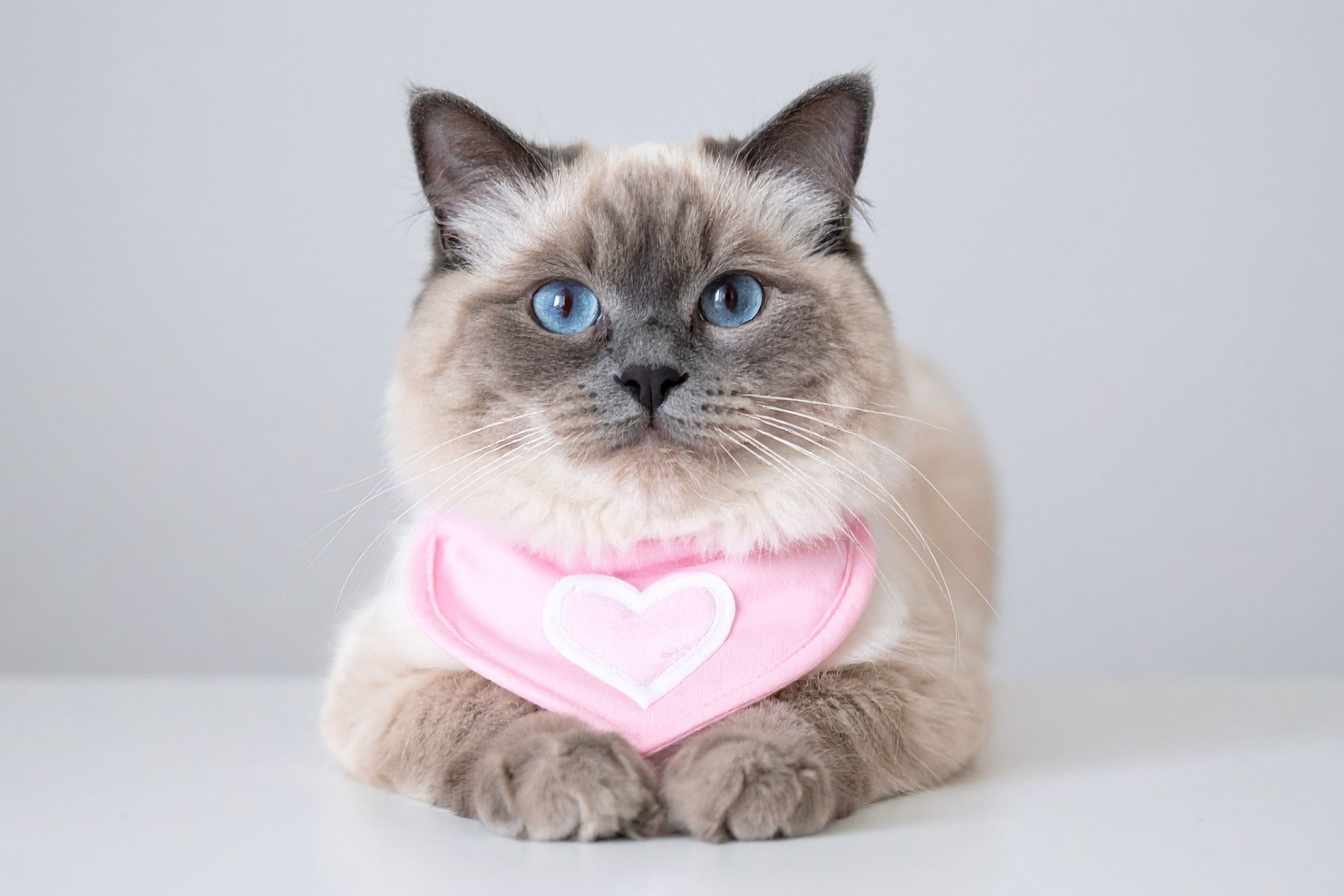
Ragdoll cats are known for their affectionate personalities, calm demeanor, and unmistakable charm that draws people to them instantly. Their gentle behavior makes them ideal companions for families, individuals, and even households with other pets. Many owners describe them as relaxed, people-oriented cats who enjoy being part of daily routines and staying close to their favorite humans. This strong social nature means they thrive in environments where affection and companionship are part of everyday life.
Recognizing what makes Ragdolls comfortable is an essential part of caring for them. They appreciate stable routines, soft resting areas, and interactions that feel warm but not overwhelming. Unlike more independent cat breeds, Ragdolls tend to form deep bonds and follow their owners from room to room, seeking reassurance through proximity. This personality trait also shapes how they respond to change, grooming, and health maintenance. Understanding their temperament allows owners to create a supportive environment where the cat feels secure, relaxed, and emotionally connected. With the right care and attention, Ragdolls reward households with loyalty, affection, and a comforting presence that enriches daily living.
Recognizing the Unique Behavior Patterns of Ragdolls
Ragdoll cats are often described as laid-back, but their behavior has depth beyond their famously relaxed attitude. They enjoy gentle play, interactive toys, and activities that encourage mental stimulation without overwhelming them. Unlike more restless breeds, Ragdolls tend to conserve energy and reserve bursts of activity for specific moments, usually when they feel playful or want attention. Their friendly behavior also extends to guests; many Ragdolls greet visitors with curiosity rather than hiding, making them suitable for sociable households.
Owners also observe a strong desire for companionship in this breed. Many Ragdolls follow family members around the home, seeking inclusion in daily tasks. This attachment style means they do best in homes where they are not left alone for extended periods. While they do not exhibit demanding behavior, they express affection through quiet companionship, soft vocalizations, and gentle nudges. Understanding these patterns allows owners to respond to their emotional needs appropriately. By offering a consistent environment, enriching activities, and calm interactions, owners support behaviors that reflect what responsible pet ownership guidance recommends for maintaining a well-adjusted and emotionally healthy Ragdoll.
Meeting Grooming Needs for a Healthy, Comfortable Coat
Despite their long, silky fur, Ragdolls maintain coats that are surprisingly manageable. Their fur tends to resist matting more effectively than other long-haired breeds, but regular grooming remains essential to keep their coat healthy and free of tangles. Brushing two to three times per week helps remove loose hairs, reduce shedding, and prevent the buildup of natural oils. Many Ragdolls enjoy grooming sessions when introduced early, especially when owners use soft brushes that feel soothing rather than abrasive.
Routine grooming also includes checking ears, trimming nails, and monitoring dental health. Ragdolls benefit from having their teeth brushed regularly to prevent tartar buildup, which can contribute to long-term health concerns. Bathing is optional but can be helpful during seasonal shedding periods, as long as owners use mild, cat-safe shampoos. Creating positive grooming experiences requires patience, gentle handling, and calm reassurance. By turning grooming into a bonding activity, owners support both physical health and emotional well-being, ensuring their Ragdoll remains comfortable, clean, and relaxed year-round.
Supporting Long-Term Health Through Nutrition and Environment
Proper nutrition plays a central role in maintaining a Ragdoll’s health. A balanced diet with high-quality proteins, essential nutrients, and appropriate portion sizes helps prevent weight gain—a common concern for this less-active breed. Many Ragdolls thrive on a mix of wet and dry food, providing both hydration benefits and dental support. Regular feeding schedules and measured portions help maintain a healthy weight and prevent digestive discomfort.
Creating a safe and enriching environment also contributes to long-term health. Ragdolls benefit from well-placed scratching posts, soft resting areas, gentle climbing spaces, and interactive toys. While they may not be as agile as some breeds, they still need opportunities to stretch, climb, and explore without strain. Owners should also maintain consistent vet check-ups, as Ragdolls can be predisposed to certain genetic conditions such as hypertrophic cardiomyopathy. Early detection through routine examinations supports long, healthy lives. Many households refer to resources from a trusted household wellness companion when planning health routines that promote comfort, stability, and physical well-being.
Understanding Emotional Needs and Creating a Bonded Relationship
Emotional connection is central to caring for a Ragdoll. They respond strongly to gentle handling, consistent routines, and predictable environments. While they enjoy affection, they prefer calm interactions rather than overly stimulating activities. Verbal reassurance, soft petting, and sharing quiet spaces help build trust. Their sensitive nature means they appreciate a household atmosphere that feels steady and welcoming.
Ragdolls flourish when owners acknowledge their desire for closeness without overwhelming them. This includes spending time in the same room, offering soft bedding near workspaces, or engaging in relaxed play sessions. Their ability to form strong attachments makes them deeply rewarding pets but also highlights the importance of emotional care. When owners treat their Ragdoll with patience, kindness, and understanding, the relationship strengthens naturally. Over time, this bond creates a sense of security that supports both mental and physical health, allowing the cat to thrive in a nurturing environment.
Maintaining Lifelong Wellness and Recognizing Early Warning Signs
Long-term wellness for Ragdolls depends on attentive care and early recognition of subtle changes in behavior or health. Owners should monitor appetite, energy levels, grooming habits, and litter box patterns to detect early signs of discomfort. Ragdolls tend to hide pain or illness, so paying attention to even small deviations becomes important. Routine check-ups help detect issues early, ensuring that long-term conditions are managed effectively.
Hydration is another key element of lifelong care. Providing fresh water daily, using pet fountains, or incorporating wet food into meals helps prevent urinary concerns that can arise in some cats. Owners should also maintain a calm living environment, as Ragdolls are sensitive to stress and can react with changes in appetite or behavior. By staying aware of these factors, individuals create a safe space for their cats to age gracefully, remaining active, comfortable, and emotionally grounded throughout their lives.
Conclusion
Caring for a Ragdoll cat involves understanding its affectionate personality, supporting its grooming needs, and ensuring long-term health through attentive daily routines. This breed offers companionship that is both gentle and deeply rewarding, making it a cherished addition to many households. By creating a consistent environment, providing balanced nutrition, and maintaining regular grooming practices, owners help Ragdolls remain comfortable and confident throughout their lives. Their emotional sensitivity requires patience and awareness, but the resulting bond becomes one of the most fulfilling aspects of ownership. With thoughtful care, proactive wellness habits, and a warm household atmosphere, Ragdoll cats thrive as loving companions who bring comfort, calm, and quiet joy to every day.


